

A line of research spanning several years
This latest study, «Cellulose-based wet wipes undergo limited degradation in river environments», is in fact part of a line of research that began several years ago.
In their study published in 2023, “Do ‘biodegradable’ wet wipes flushed down the toilet actually break down?”, the researchers concluded that many of the wipes marketed as “biodegradable” contained synthetic fibres in their composition, which contributes to their persistence in river environments should they enter these ecosystems.
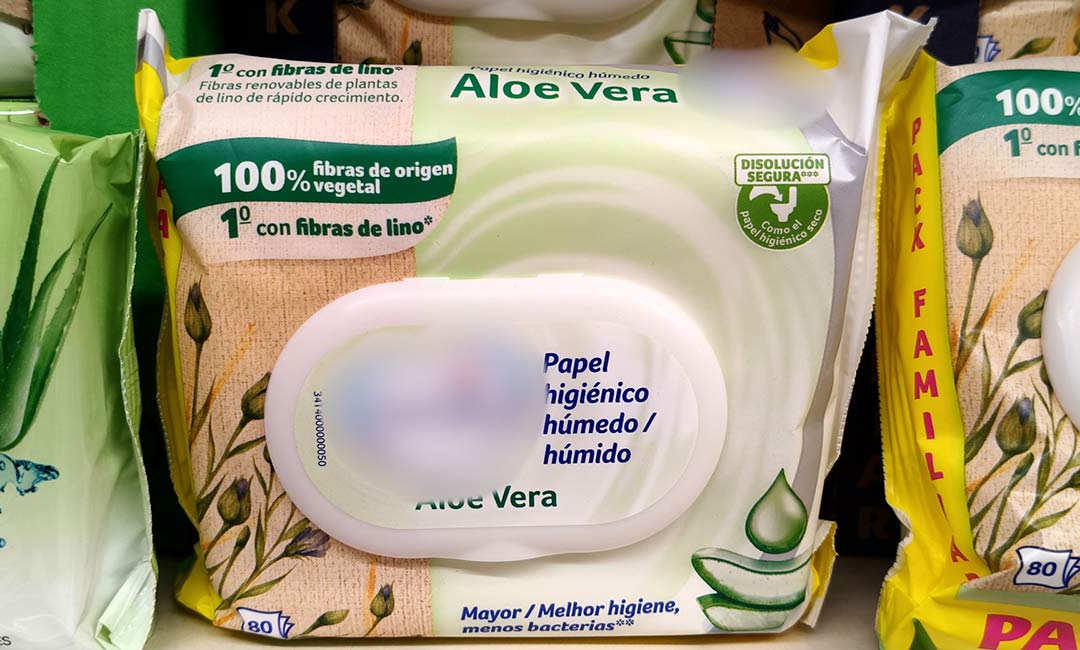
This study analysed the degradation of ‘biodegradable’ wet wipes made from cellulose. To do this, the researchers compared samples from two well-known commercial brands with cotton strips used as a control over a five-week period, in an experimental setting that replicated the natural conditions of rivers.
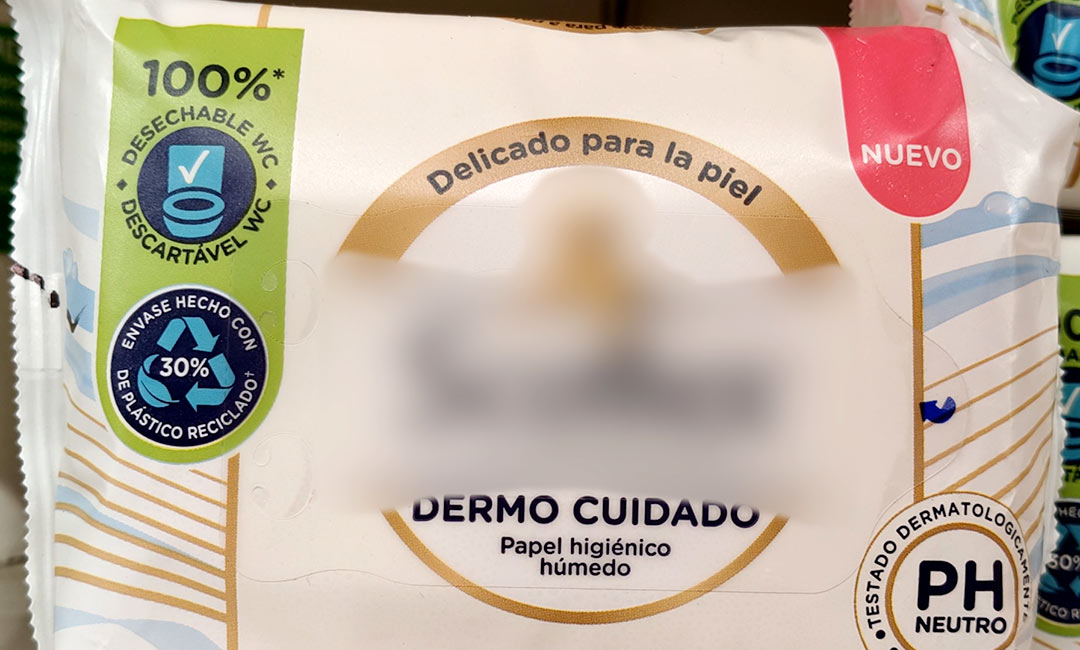
Cellulose-based wet wipes
The need for studies of this kind arises from the need to verify whether banning the use of plastic in wet wipes actually reduces their environmental impact, or whether they persist in rivers, given that current biodegradability standards are usually based on laboratory composting tests rather than on actual river conditions.
For the study, the researchers used an outdoor experimental system that examines the natural environment under controlled conditions (mesocosms), simulating different acidity gradients and thereby reproducing the natural dynamics of rivers.
The researchers took samples of two commercial brands of biodegradable wipes (A and B) and compared their behaviour against cotton control samples. All samples (A, B and the control) were placed in different zones: buried in the substrate, submerged and on the surface.
The loss of tensile strength was used as an indicator to measure the degradation of the different samples. To this end, the research team took into account the influence of pH, temperature, total dissolved solids, light and microbial biomass.
Devastating results
The report’s findings could not be more devastating. Despite being labelled ‘biodegradable’, both brands showed only partial fragmentation and remained structurally intact throughout the five-week study.
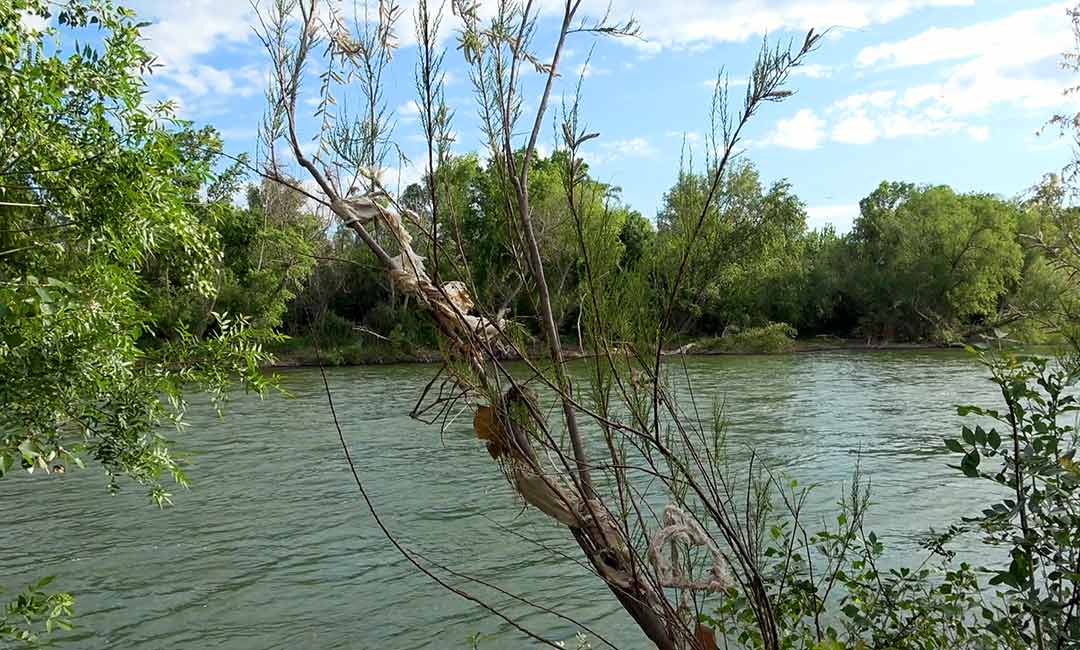
Whether the wipes are made from plastic or cellulose simply changes the nature of the pollution
A pH close to neutral, between 6.5 and 7.5, and a higher concentration of dissolved solids increased degradation; conversely, more acidic environments inhibited this degradation.
When the research team analysed the influence of temperature, they found that the initial degradation was primarily physical, involving the release of microfibres and the fragmentation of the samples, rather than microbial decomposition.
The report’s findings could not be more damning. Despite being labelled ‘biodegradable’, both brands showed only partial fragmentation and remained structurally intact throughout the five-week study.
The researchers observed no significant differences in degradation depending on the position of the samples in the water column (buried in the substrate, submerged or at the surface). Microbial biomass was not, on its own, a determining factor either.
They did, however, observe a difference in behaviour between the brands: one of them degraded approximately 50 per cent faster than the other and almost twice as fast as the cotton controls.
Conclusions
The study highlights the urgent need for further testing under real river conditions and for clear ‘Do not flush’ labelling, as the study’s findings cast doubt on the claims made by cellulose wipe brands regarding the ‘biodegradability’ of their products under real freshwater conditions.
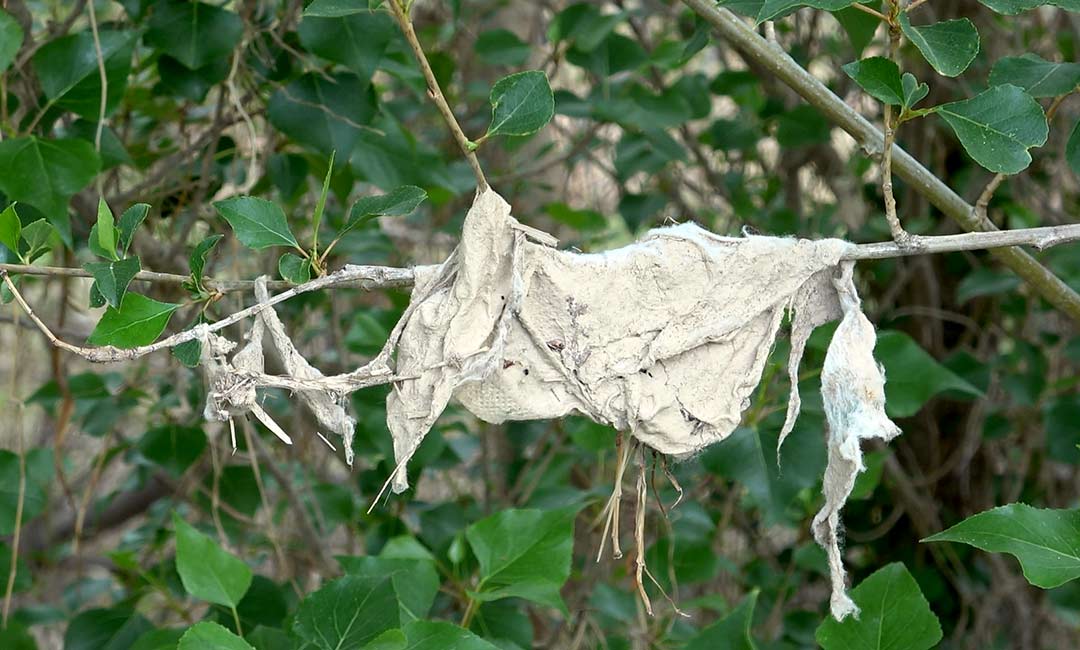
Whether wipes are made from plastic or cellulose merely changes the form of pollution; the latter result in microfibre pollution in aquatic systems.
The study concludes by pointing out that better consumer education could help alleviate part of this problem by encouraging people to avoid using wet wipes in their daily hygiene routine.