
Stop Plástico
  • Quiénes somos
  • Vertidos incontrolados
    • Limpiados Resto de Aragón Zaragoza Comarca Central Ribera alta del Ebro

      La Cartuja Baja, limpiadas las basuras junto a…

      Barbastro, limpiados los vertidos denunciados en marzo 2023

      Monzón, limpiados los vertidos denunciados

      Garrapinillos, limpiado el vertido en Camino de Bárboles

      Zuera, abandono de escombros en el Camino de…

      Alfajarín, abandono de basuras bajo el puente de…

      La Puebla de Alfindén, un año después todo…

      El Burgo de Ebro, abandono de escombros junto…

      Zaragoza, abandono de residuos electrónicos en el Camino…

      Zaragoza, abandono de escombros en el Camino de…

      Juslibol, vertidos junto a una una zona de…

      Zaragoza, vertidos junto al Cuarto Cinturón

      Zaragoza, abandono de residuos electrónicos en el Camino…

      Zaragoza, abandono de escombros en el Camino de…

      Juslibol, vertidos junto a una una zona de…

      Zaragoza, vertidos junto al Cuarto Cinturón

      Pedrola, abandono de enseres de feria en los…

      Macrovertedero junto al Canal Imperial de Aragón entre…

      Alagón, abandono de basuras y escombros junto a…

      Alagón, abandono de basuras en el entorno de…

  • Puntos limpios
  • Información
    • Nuevo estudio chileno revela cómo las lluvias y…

      Unos Pilares 2025 a golpe de gasoil

      ¿Los envases de vidrio generan más microplásticos que…

      Contaminantes químicos eternos en vinos

      De Hitler a los microplásticos

    • VER TODO
    • 12 meses 12 acciones
    • ODS – Agenda 2030
  • Prensa
    • Stop Plástico en la Prensa
    • Noticias sobre Medio Ambiente
  • Contacto
DESTACADO
Nuevo estudio chileno revela cómo las...
Unos Pilares 2025 a golpe de...
¿Los envases de vidrio generan más...
Contaminantes químicos eternos en vinos
De Hitler a los microplásticos
Microplásticos en el aceite de oliva
Señales de daños cerebrales en aves...
Alumnas y alumnos del colegio Cristo...
Scouts de Aragón pasan la mañana...
Un domingo muy plastificante
Stop Plástico
Banner
  • Quiénes somos
  • Vertidos incontrolados
    • Limpiados Resto de Aragón Zaragoza Comarca Central Ribera alta del Ebro

      La Cartuja Baja, limpiadas las basuras junto a…

      Barbastro, limpiados los vertidos denunciados en marzo 2023

      Monzón, limpiados los vertidos denunciados

      Garrapinillos, limpiado el vertido en Camino de Bárboles

      Zuera, abandono de escombros en el Camino de…

      Alfajarín, abandono de basuras bajo el puente de…

      La Puebla de Alfindén, un año después todo…

      El Burgo de Ebro, abandono de escombros junto…

      Zaragoza, abandono de residuos electrónicos en el Camino…

      Zaragoza, abandono de escombros en el Camino de…

      Juslibol, vertidos junto a una una zona de…

      Zaragoza, vertidos junto al Cuarto Cinturón

      Zaragoza, abandono de residuos electrónicos en el Camino…

      Zaragoza, abandono de escombros en el Camino de…

      Juslibol, vertidos junto a una una zona de…

      Zaragoza, vertidos junto al Cuarto Cinturón

      Pedrola, abandono de enseres de feria en los…

      Macrovertedero junto al Canal Imperial de Aragón entre…

      Alagón, abandono de basuras y escombros junto a…

      Alagón, abandono de basuras en el entorno de…

  • Puntos limpios
  • Información
    • Nuevo estudio chileno revela cómo las lluvias y…

      Unos Pilares 2025 a golpe de gasoil

      ¿Los envases de vidrio generan más microplásticos que…

      Contaminantes químicos eternos en vinos

      De Hitler a los microplásticos

    • VER TODO
    • 12 meses 12 acciones
    • ODS – Agenda 2030
  • Prensa
    • Stop Plástico en la Prensa
    • Noticias sobre Medio Ambiente
  • Contacto

New Chilean study reveals how rain and wind carry rubbish to our beaches

por Josefa Araya-Campano 5 de diciembre de 2025
escrito por" Josefa Araya-Campano 5 de diciembre de 2025

A new Chilean study reveals how climatic conditions determine the amount and type of rubbish that reaches the beaches of north-central Chile. The research, recently published in the prestigious international journal Marine Pollution Bulletin, showed that rubbish on beaches increased immediately after heavy rain or strong winds, demonstrating a strong link between climatic phenomena and coastal pollution.

A four-year study

The study, entitled ‘Influence of rainfall and winds on the arrival of marine litter on two beaches in northern-central Chile’, was conducted between 2020 and 2024 and led by marine biologist Josefa Araya-Campano and Dr Martin Thiel from the Catholic University of the North and the MarineGEO Programme at the Smithsonian Environmental Research Centre in the United States.

The study is based on daily monitoring over 728 days on the urban beaches of La Herradura and Changa, in the Coquimbo Region.

To date, there is no other such long-term record of marine litter anywhere in the world.
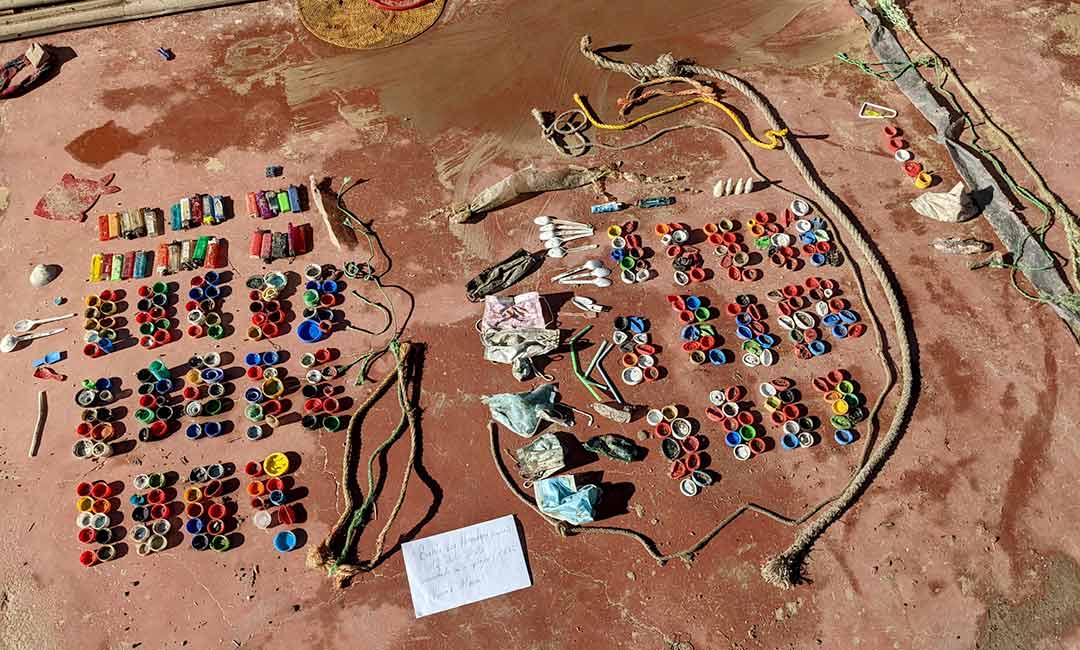
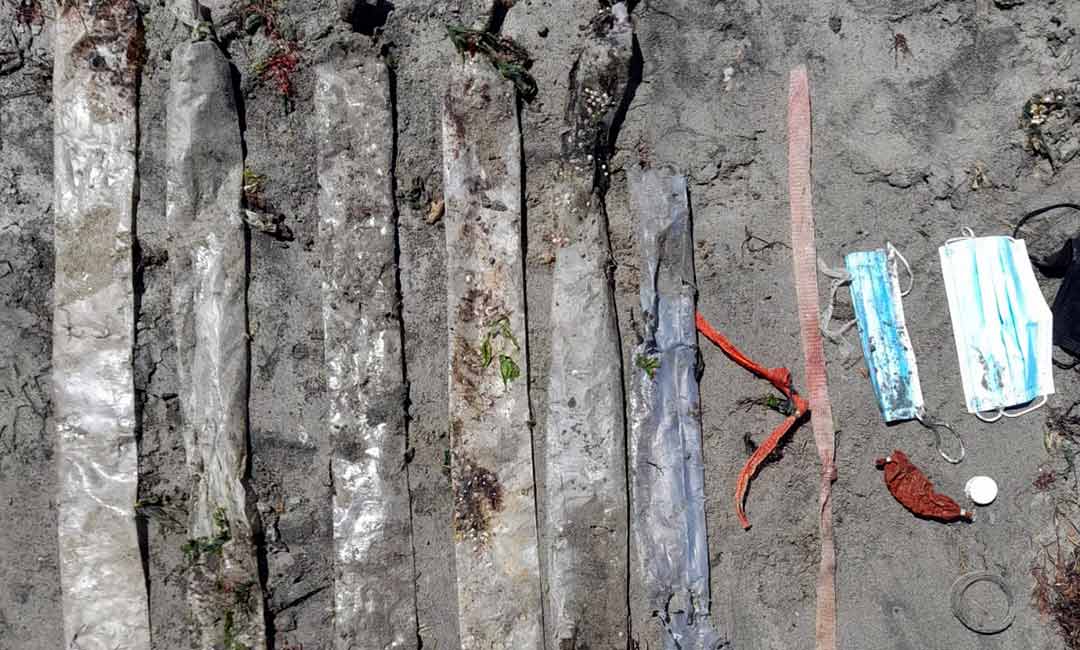
A total of 20,313 objects were collected, focusing on six representative types: three of terrestrial origin (bottle caps, lighters and plastic cutlery) and three of marine origin (chululos, red nets and twine), selected for their frequency and representativeness on urban beaches.
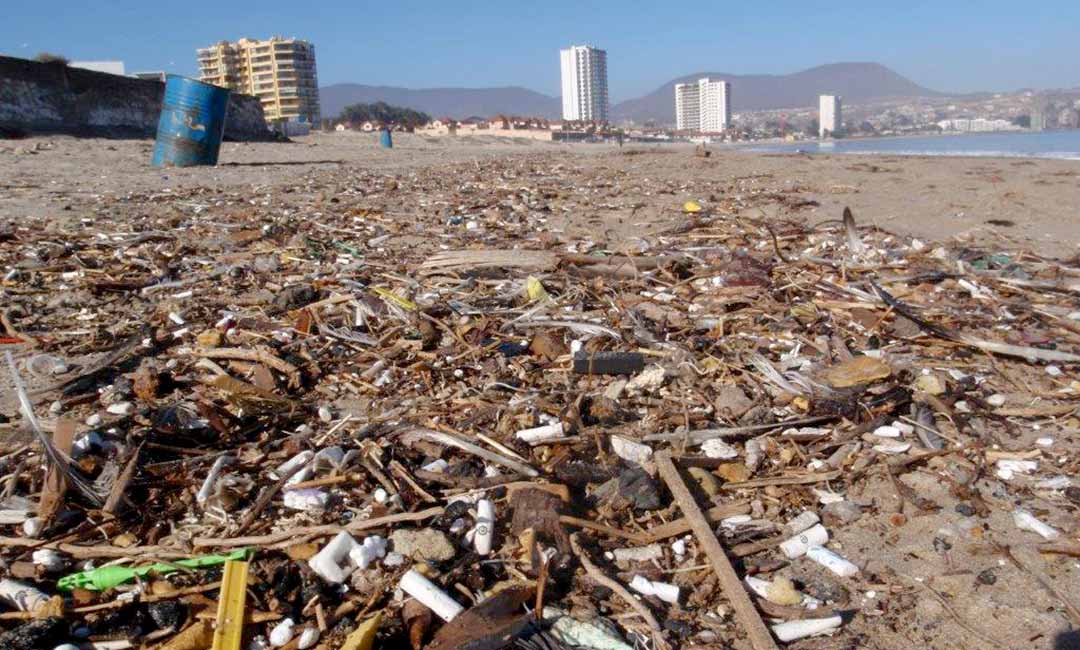
Garbage on our beaches

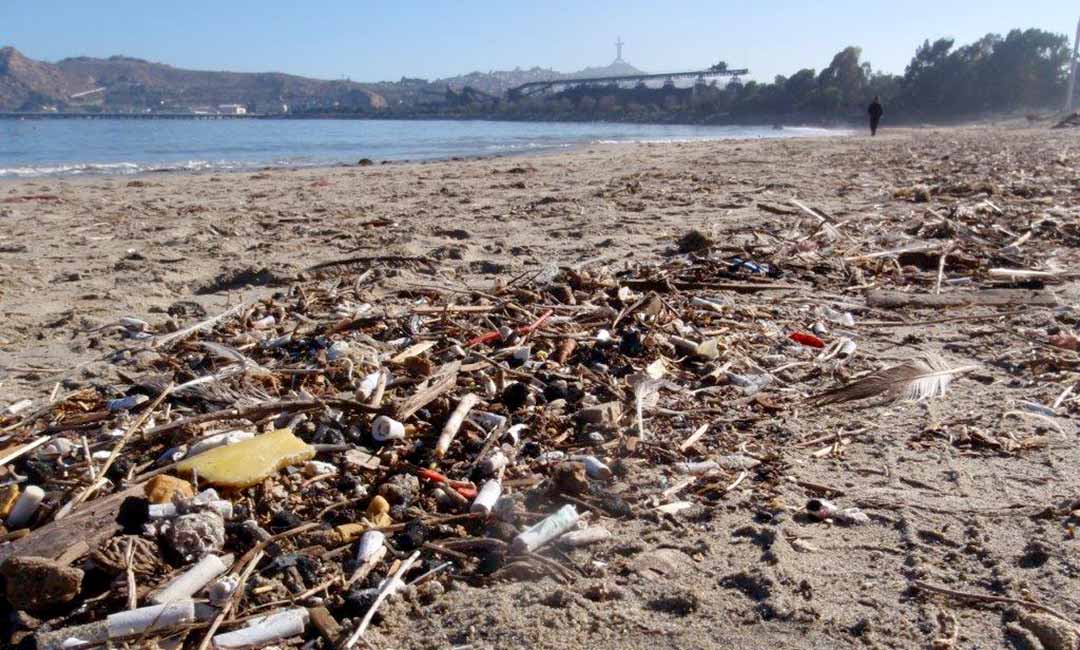
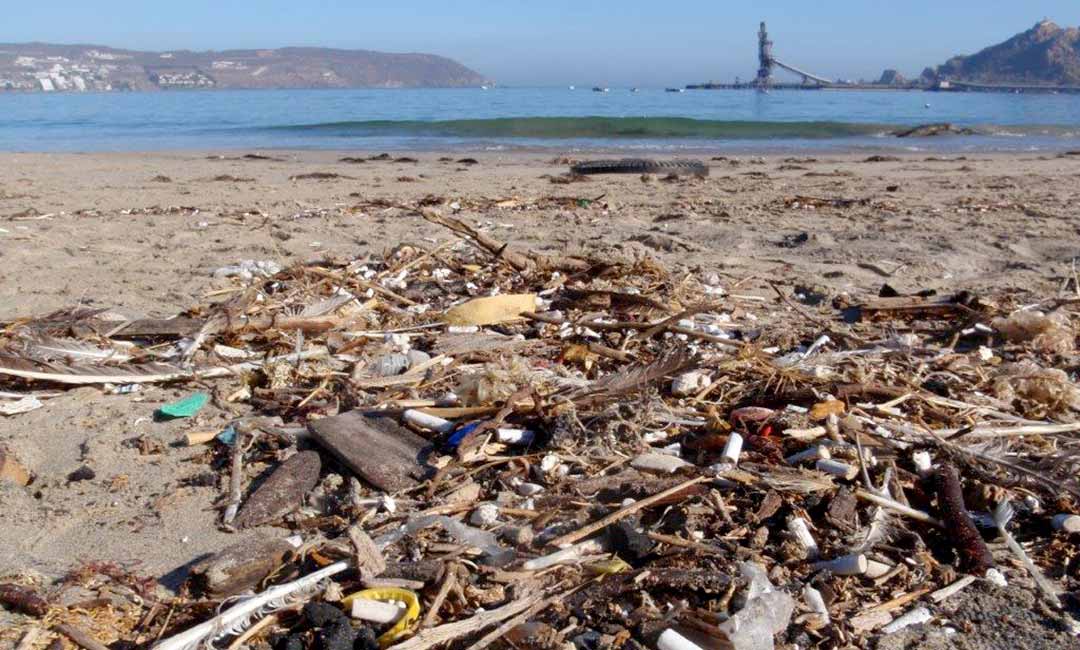
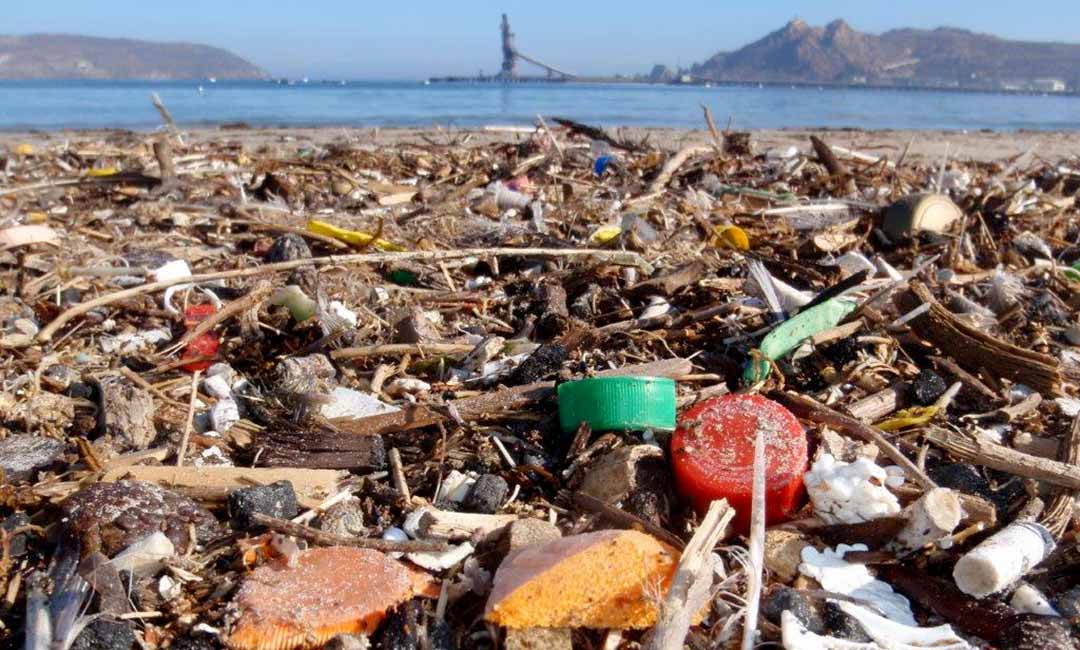
7. La Herradura Beach one day after the rain on 20 August 2012. Credits: Martin Thiel.

The results showed that after rainfall events, land-based litter increased almost fivefold, from an average of 20 to more than 100 objects per kilometre per day. These objects were carried from the city to the sea through drainage systems and streams.

In contrast, marine debris was more influenced by wind direction and intensity, especially when strong winds blew from the sea, favouring its arrival on the coast.

‘The fact that litter appears immediately after rainfall indicates that much of it originates in the same area. It does not float in from far away, but from our own streets. Understanding how rainfall and wind influence litter accumulation allows us to anticipate when and where more litter will accumulate, and thus make informed decisions for its proper management,’ explains Josefa Araya-Campano, lead author of the study.

From personal exercise to a long-term study

The research began as a personal initiative by Dr Martin Thiel during the COVID pandemic in 2020:

«I started going to the beach every morning to exercise, and at some point I noticed the amount of fishing nets on the beach, until one day I started collecting them all. It was a fantastic exercise, bending down hundreds of times to pick up a piece of fishing net. The next day, they had reappeared, but there were fewer of them. I continued like this every day to understand how long it took for these nets to accumulate on the beach. As a good scientist, I started a logbook, noting down the number of nets collected each day,» recalls Thiel.

Over time, the number of nets decreased, and being on the beach every day, Thiel noticed other objects, such as bottle caps and lighters:

‘I wondered where they came from and how they got to the beach. To answer these questions, I added other objects to my log—this also helped me keep up the exercise, bending down for each one.’

Realising the interesting data set he was generating, Thiel invited marine biology student Josefa Araya-Campano to join the initiative and evaluate the data, first for her research seminar and then as her undergraduate thesis.

In this way, this personal exercise initiative became a long-term study that provided insight into how weather conditions influence beach pollution.

This was made possible thanks to the support of friends and collaborators, who joined the study and continued sampling on days when Araya-Campano and Thiel were unable to attend, thus ensuring the continuity of the daily record.

The Basu-Arte Project and Rubbish on Our Beaches
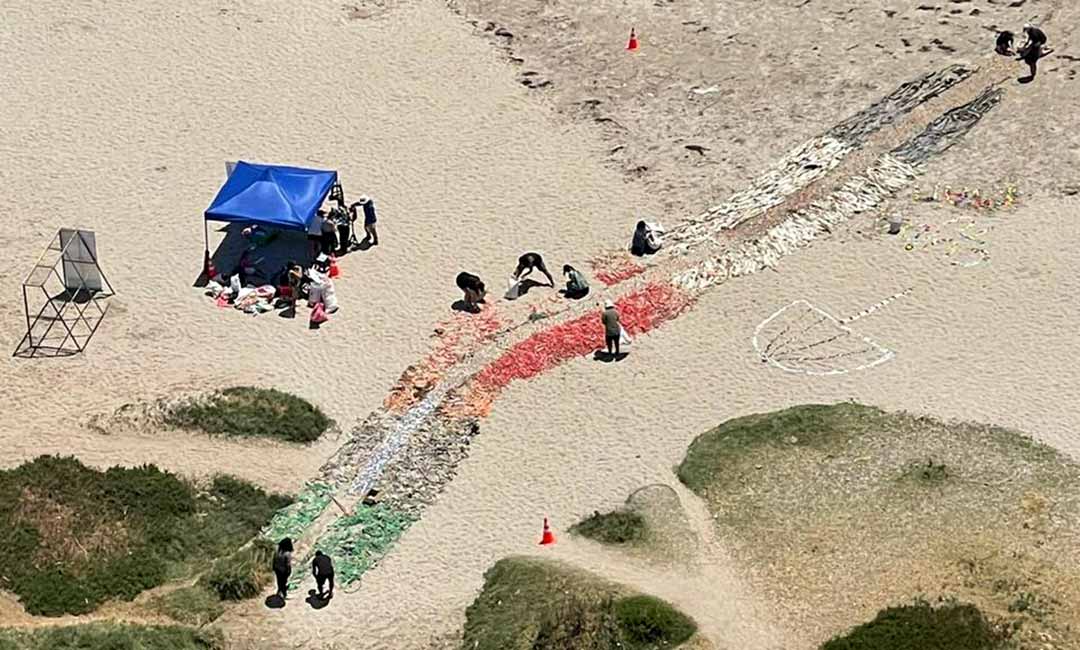
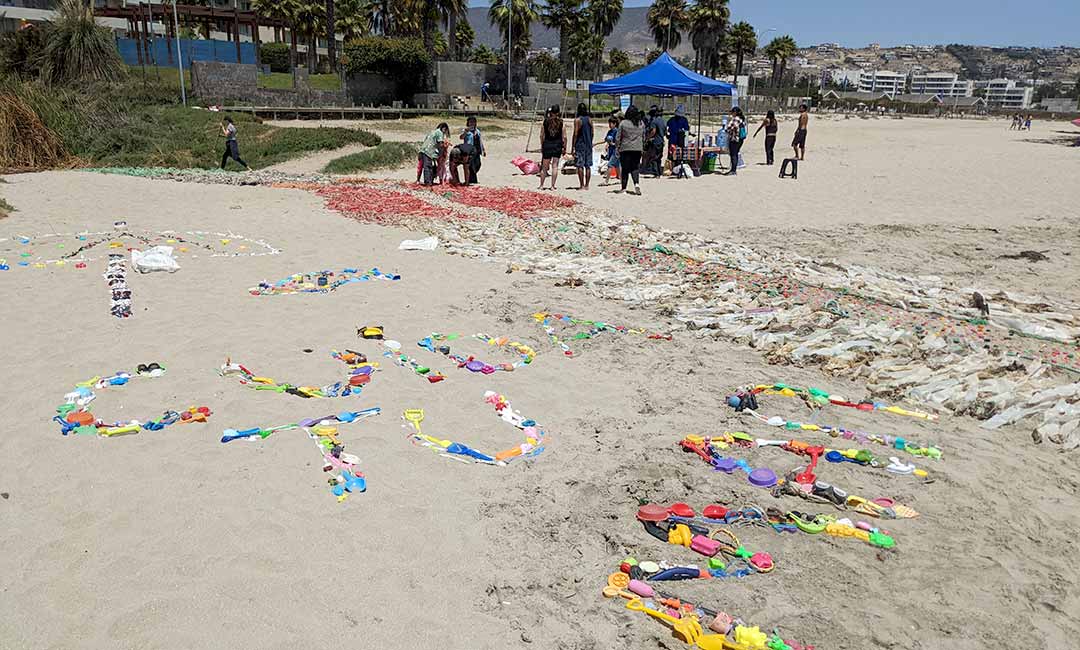
4. Aerial view of an artwork made with rubbish, recreating the flow of the Las Rosas wetland, Coquimbo. Credits: Alejandra Segura Ciuchi.

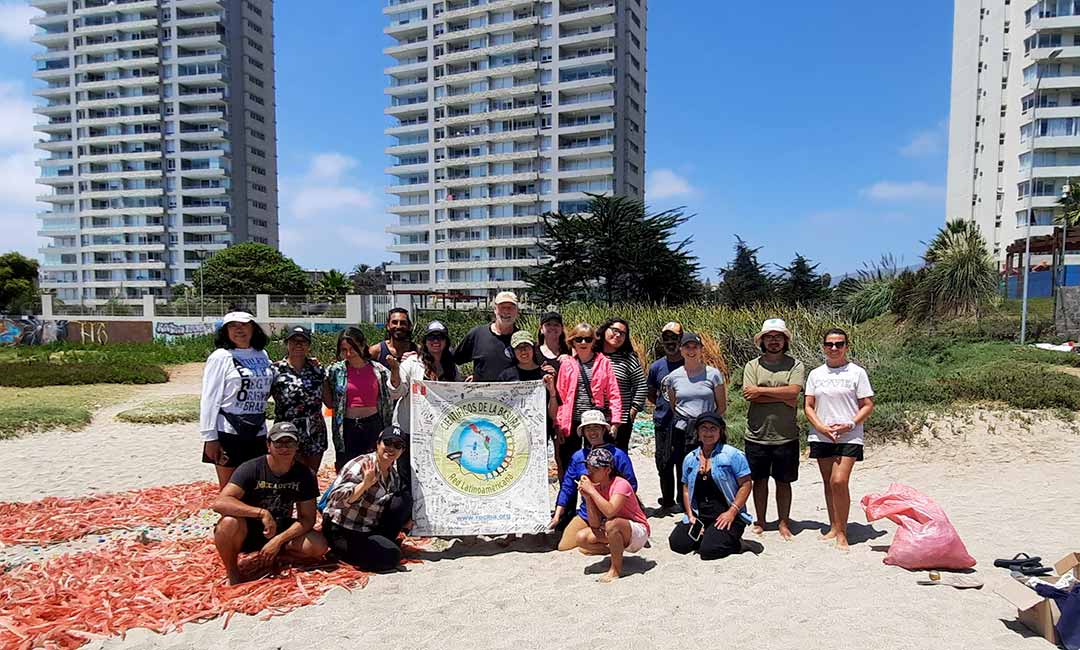
Some of the items collected were also used in the «Basu-Arte» Project, an exhibition held in February 2024 at La Herradura Beach, which transformed rubbish into works of art to reflect on the relationship between science, community and the environment

“We didn’t want that rubbish to end up just in bags or Excel spreadsheets. We wanted to give it back to the community in the form of art, so that those who live near the sea can reflect on their own impact,” says Araya-Campano.

Strengthening municipal coastal management

The findings of this study reinforce the need to tackle marine pollution at the local level.

The beaches studied receive mainly waste generated in the same area—by residents, tourists, and coastal activities—rather than from distant sources.

Therefore, the authors recommend strengthening municipal coastal management, with plans that prioritise prevention over clean-up, especially focused on reducing single-use plastics.

They also propose improving environmental education in coastal communities, enforcing compliance with the Single-Use Plastics Act, promoting reusable products, and stopping the production of unnecessary plastics.

The authors are pleased not only because they generated valuable information that can help the municipality improve waste management, but also because during their study, La Herradura beach became one of the cleanest beaches in Chile.

They comment that other people followed their example of picking up rubbish, which they found to be the most valuable aspect of this study that began as a personal initiative.

The study and art exhibition were funded by the Catholic University of the North’s ‘Fund for the Development of Scientific and Technological Research in Undergraduate Degree Activities, Year 2023, No. 63’.
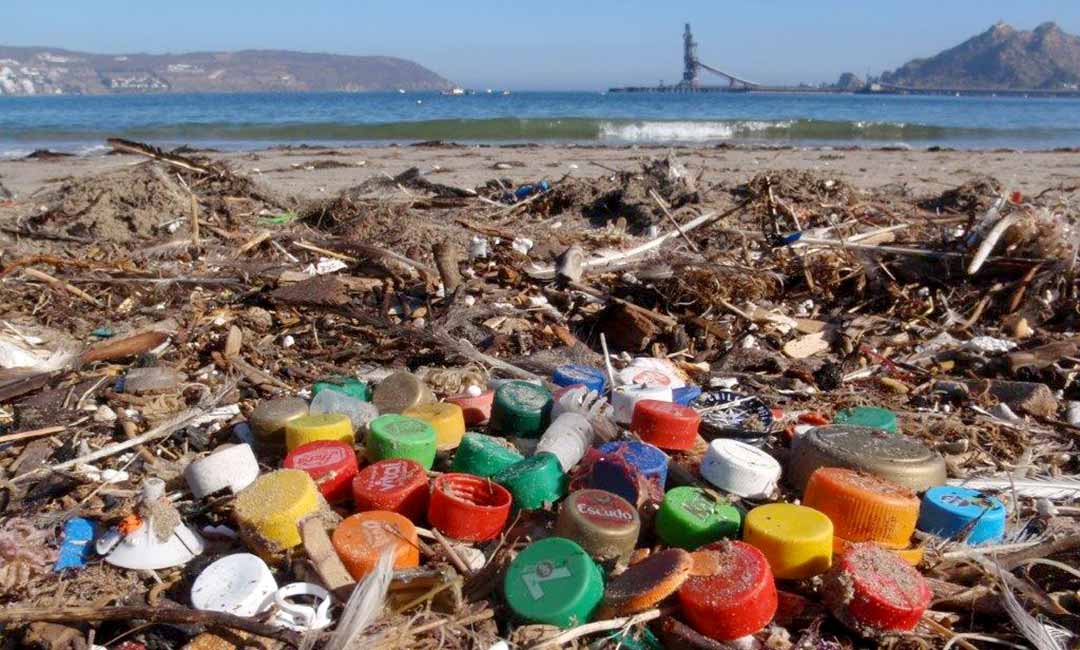
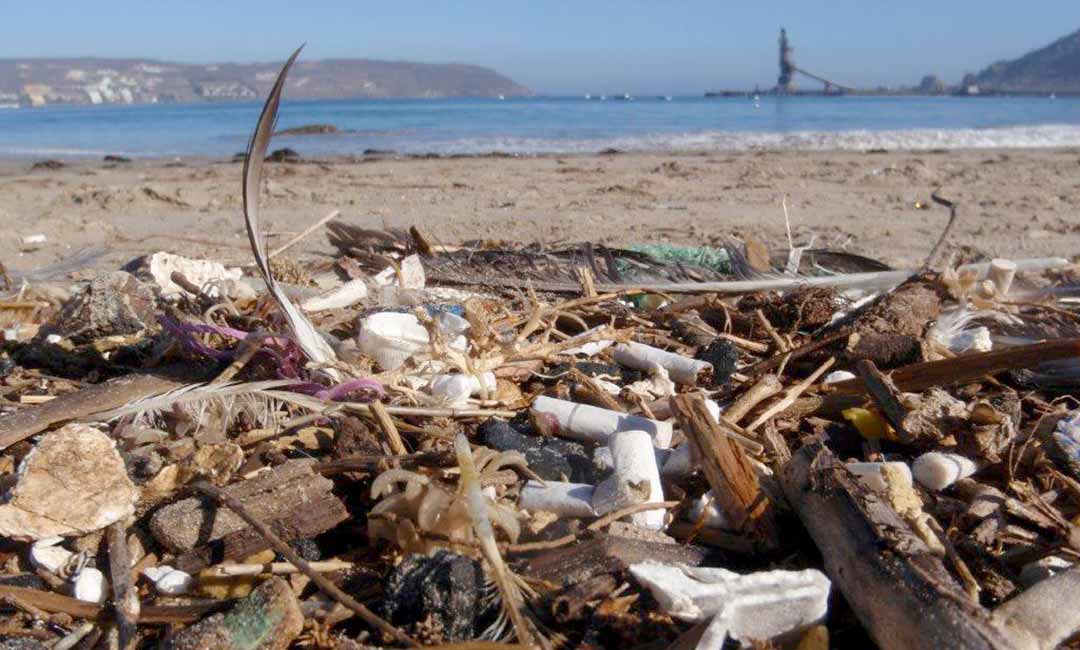
Image gallery

11. La Herradura Beach one day after the rain on 20 August 2012. Credits: Martin Thiel.
10. La Herradura Beach one day after the rain on 20 August 2012. Credits: Martin Thiel.
9. La Herradura Beach one day after the rain on 20 August 2012. Credits: Martin Thiel.
8. La Herradura Beach one day after the rain on 20 August 2012. Credits: Martin Thiel.
6. Volunteers participating in the activity with the support of Científicos de la Basura, ESMOI, Simbiontes de Lafken Mapu, CEAZA, ONG Surgencia, Agrupación Conciencia Ecológica, Municipality of Coquimbo, and the Port Authority. Credits: Paloma Núñez.
5. Title of the work represented by numerous objects, such as beach toys, lighters, bottle caps, plastic ice cream spoons, among others. Credits: Martin Thiel.
3. Sampling one day after the rain on 12 July 2023, when 11 millimetres of rain fell. Credits: Martin Thiel.
2. Chululos and red nets from La Herradura beach. Credits: Josefa Araya-Campano.
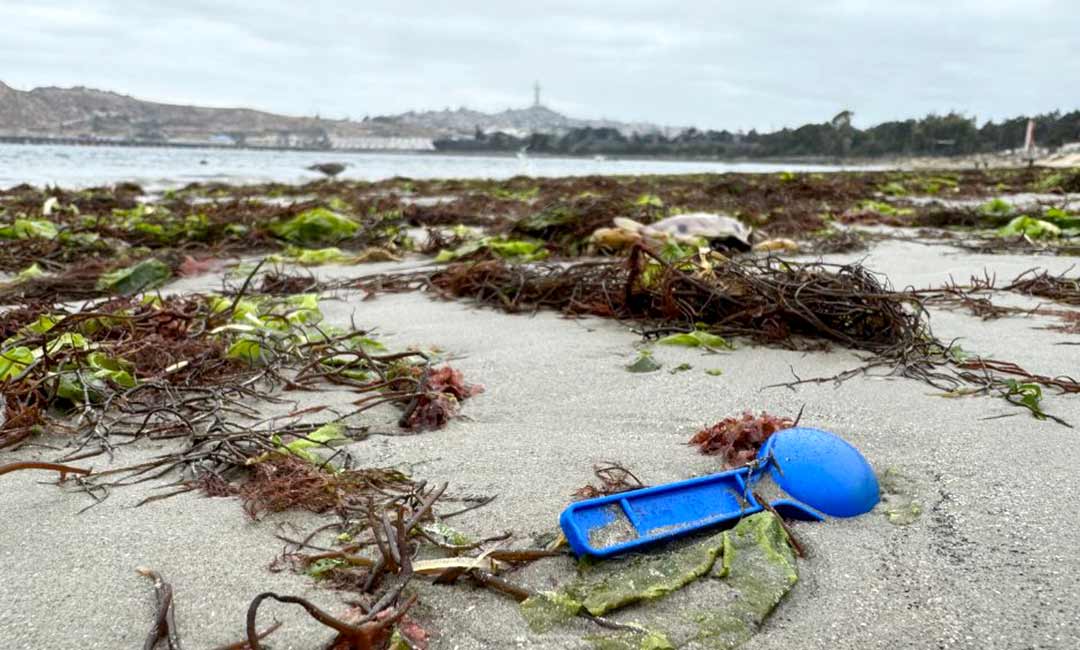
1. Plastic ice cream spoon found on the shore, La Herradura beach. Credits: Josefa Araya-Campano.
lucha contra el plasticoPFASplásticoquímicos eternosReciclajeresiduos plásticossalud
11
FacebookLinkedinWhatsappTelegramEmail
Josefa Araya-Campano

Dejar un comentario

seis − tres =

* Al utilizar este formulario, acepta el almacenamiento y manejo de sus datos por este sitio web.

publicación anterior
Nuevo estudio chileno revela cómo las lluvias y vientos arrastran basura a nuestras playas

VERTIDOS INCONTROLADOS

  • Zaragoza, abandono de residuos electrónicos en el Camino de Borgas

    21 de noviembre de 2025
  • Zaragoza, abandono de escombros en el Camino de Junquera

    10 de noviembre de 2025
  • Zuera, abandono de escombros en el Camino de los Tres Balsetes

    5 de noviembre de 2025

INFORMACIÓN

  • Nuevo estudio chileno revela cómo las lluvias y vientos arrastran basura a nuestras playas

    5 de diciembre de 2025
  • Unos Pilares 2025 a golpe de gasoil

    18 de octubre de 2025
  • ¿Los envases de vidrio generan más microplásticos que los envases de plástico?

    11 de octubre de 2025
  • Contaminantes químicos eternos en vinos

    30 de agosto de 2025
  • De Hitler a los microplásticos

    4 de agosto de 2025

"

Stop Plástico finales de la Semana Europea de la Prevención de residuos 2022

STOP PLÁSTICO finalista por Aragón en los Premios de la Semana Europea de Prevención de Residuos 2022

STOP PLÁSTICO premio Mejor Proyecto Digital X Premios Aragón en la Red

Stop Plástico, ganador del I Concurso de Vídeos Cortos 2024 de la Cátedra de Cooperación para el Desarrollo de UNIZAR

STOP PLÁSTICO ganador del I Concurso de Vídeos Cortos 2024 de la Cátedra de Cooperación para el Desarrollo de UNIZAR

  • Facebook
  • Instagram
  • Linkedin
  • Youtube
  • tiktok
Footer Logo
  • Quiénes somos
  • Vertidos incontrolados
    • Limpiados Resto de Aragón Zaragoza Comarca Central Ribera alta del Ebro

      La Cartuja Baja, limpiadas las basuras junto a…

      Barbastro, limpiados los vertidos denunciados en marzo 2023

      Monzón, limpiados los vertidos denunciados

      Garrapinillos, limpiado el vertido en Camino de Bárboles

      Zuera, abandono de escombros en el Camino de…

      Alfajarín, abandono de basuras bajo el puente de…

      La Puebla de Alfindén, un año después todo…

      El Burgo de Ebro, abandono de escombros junto…

      Zaragoza, abandono de residuos electrónicos en el Camino…

      Zaragoza, abandono de escombros en el Camino de…

      Juslibol, vertidos junto a una una zona de…

      Zaragoza, vertidos junto al Cuarto Cinturón

      Zaragoza, abandono de residuos electrónicos en el Camino…

      Zaragoza, abandono de escombros en el Camino de…

      Juslibol, vertidos junto a una una zona de…

      Zaragoza, vertidos junto al Cuarto Cinturón

      Pedrola, abandono de enseres de feria en los…

      Macrovertedero junto al Canal Imperial de Aragón entre…

      Alagón, abandono de basuras y escombros junto a…

      Alagón, abandono de basuras en el entorno de…

  • Puntos limpios
  • Información
    • Nuevo estudio chileno revela cómo las lluvias y…

      Unos Pilares 2025 a golpe de gasoil

      ¿Los envases de vidrio generan más microplásticos que…

      Contaminantes químicos eternos en vinos

      De Hitler a los microplásticos

    • VER TODO
    • 12 meses 12 acciones
    • ODS – Agenda 2030
  • Prensa
    • Stop Plástico en la Prensa
    • Noticias sobre Medio Ambiente
  • Contacto

hola@stopplastico.org

STOP PLÁSTICO en defensa de la Naturaleza y el Medio Ambiente